


Most small shops never run out of floor. They run out of floor that sells. If you've ever stood at the register on a slow Tuesday and wondered why one table moves stock all week while the back corner just collects dust, you're already thinking about sales per square foot. This guide covers how to increase sales per square foot in a small gift or home store, with ten fixes you can make without renovating anything.
Want the number first? Plug your figures into our free Sales per Square Foot Calculator, then come back for the floor work.
The dollar amounts and store sizes below are made-up examples to show the math. They aren't Iron & Blossom results, and they aren't a promise of any lift.
What the number actually measures
Sales per square foot is sales divided by selling square feet, for whatever period you pick: a month, a quarter, a year.
Count only the selling floor. That means aisles, display tables, wall fixtures and the impulse spots around checkout. Leave out the stockroom, the office and the bathroom. A smaller, honest denominator gives you a number you can actually make merchandising calls with.
1. Measure the selling floor only
If the stockroom and office are sitting in your square footage, your number looks worse than your floor really is. Grab a tape measure or your floor plan, split selling space from everything else, and run it again. That's your baseline. Write it down somewhere you'll see it next month.
2. Find your dead zones
Every store has spots people walk past without looking. A dim corner. The low shelf hiding behind a table. The far end of a gondola. Watch the floor for an hour on a busy day, or pull sales by zone if your POS can do it. Then put fast-turning impulse pieces in those spots, or take the fixture out entirely. The register and the first few steps inside the door are your best real estate, so don't waste them on something that sells twice a season.
3. Use your walls
You can't add floor. You can usually add height. Pegboard, slatwall and taller shelving let you hang more product in the same footprint, and you can keep your bestsellers at eye level where people actually look. On a table, a wooden crate or riser does the same thing on a smaller scale.

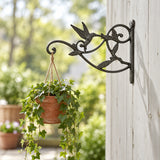
Wall categories like decorative hooks and wall decor bring in sales while taking up almost no floor at all.
4. Clear out anything that hasn't sold in 90 days
A piece that's been sitting for three months is blocking something that might sell this week. Tag anything past 90 days (give seasonal goods two full seasons). Then mark it down once with a firm end date, bundle it with something that's moving, or send it back if your vendor terms allow. Clearing one shelf is often the quickest win you'll get.
5. Add small, high-margin categories
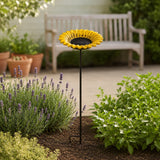
A couple of big, slow pieces can drag down a whole section. Things that hang on a wall or fit in a shallow tray tend to earn more in the same few inches. Think decorative hooks, bottle openers, small kitchen accents and compact garden accessories.


Testing a new line? Keep the first order small. That's what our Trade Showroom is set up for. Opening orders start at $200 and reorders at $150. You can pick from about 370 wholesale cast iron and metal pieces, most in-stock orders ship in 1 to 3 days from our U.S. warehouses, and eligible first orders come with a 60-day opening-order buyback. The buyback guarantee page has the full terms.
6. Get your price tiers straight
Underpriced winners leave money on the table. Overpriced slow pieces just sit there. Sort similar items into two or three clear price points, and price from landed cost (freight included), not just the invoice. If you want a refresher on markup, margin and keystone, our retail pricing guide walks through it, and the free Retail Markup Calculator does the arithmetic.
7. Save open-to-buy for reorders
Here's a trap a lot of us fall into. You spend the whole open-to-buy on new things you're excited about, then your best seller sells out and there's no cash left to reorder it. That empty hook is your most valuable square footage doing nothing. Hold back part of the budget for proven SKUs. Our open-to-buy formula for gift shops shows how to set that up, and low reorder minimums make it easier to restock without overbuying.
8. Fix the lighting
People buy what they can see. Point a light at your darkest fixture. Lower any stacked display that blocks the view down an aisle. Keep the top shelves bright. Sometimes one lamp and one moved fixture change a whole zone.
9. Put related things together
Hang a bottle opener next to a bar sign. Put a wall hook beside an entry tray. Set a garden accent next to a card rack. Little pairings like these nudge the average sale up without needing another inch of floor. If you carry bar gifts, the bottle openers collection makes it easy to build that kind of grouping.
10. Track it by zone every month
One whole-store number hides the fixture that's dragging you down. Once a month, give each main zone a rough share of your square footage, estimate what it sold, and rank the zones. Fix the worst one first. Then rerun the store total in the Sales per Square Foot Calculator to see if it's working.
A quick example: same space, more sales
This is an illustration only. It's not a real store and not Iron & Blossom sales data.
Say you've got a 4 sq ft endcap holding one large decor piece that brings in about $40 a month.
| Scenario | Footprint | Monthly retail sales | Sales per sq ft |
|---|---|---|---|
| One slow large SKU | 4 sq ft | $40 | $10 |
| Mix of small high-turn pieces (hooks, openers, mini accents) | 4 sq ft | $160 | $40 |
Same four square feet. In the second setup, a handful of smaller pieces sell more often, so the total goes up even though each one costs less. That doesn't mean you should never carry big pieces. It means one slow, bulky item shouldn't tie up a spot that could be turning every week.
When you're comparing suppliers for those smaller pieces, look at landed cost, how fast they restock and what their minimums are. We wrote more about that in finding quality wholesale metal decor suppliers.
Frequently asked questions
How do you increase sales per square foot?
Start by measuring only your selling floor. After that, the biggest levers are clearing slow movers, using wall height, adding small high-margin categories, fixing price tiers, keeping money aside for reorders, improving lighting, grouping related items and checking each zone monthly.
What is a good sales per square foot for a gift shop?
It depends on your rent, your location and what you sell. Your own history is the better yardstick. Compare this month with the same month last year, and compare zones inside your store against each other. Industry tables are interesting, but your own trend is what you can act on.
Should the stockroom count toward sales per square foot?
Not for merchandising decisions. Use the selling floor only. You might include the stockroom if you're looking at total occupancy cost for a lease conversation, but keep that as a separate, clearly labeled figure.
How does rent-to-sales relate to sales per square foot?
Rent-to-sales is rent divided by sales. Sales per square foot is sales divided by square feet. Multiply the two and you get roughly your rent per square foot. So raising sales per square foot is one of the most direct ways to bring your rent-to-sales down without moving.
How often should I track sales per square foot?
Monthly works for most independent gift and home stores. During the holidays, weekly can help if you're resetting displays a lot. Always recalculate after a big fixture move.
Where to start this week
Get a clean selling-floor number from the Sales per Square Foot Calculator. Pick one dead zone and one assortment change and do them this week. If you want to try small cast iron and metal pieces in those spots, take a look at the Trade Showroom. It's $200 to open, $150 to reorder, most in-stock orders ship in 1 to 3 days, and eligible first orders get the 60-day buyback.