
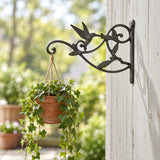
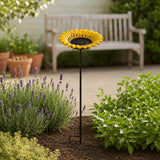


Picture the back wall of your shop on a slow Tuesday. The tables in front are full, the shelves are restocked, and the wall behind the register is still holding the same two framed prints it had in spring. Plenty of store owners have asked us some version of the same question: should that wall be selling something, and is wall decor worth the open-to-buy dollars?
Our honest answer is that wall decor can be one of the better categories in a gift or home shop, but only if you buy it the right way. Here's how we'd think through margins, price points and sell-through before you place a first order.
Why wall decor earns its spot in a gift shop
The biggest reason is space. Floor and table space in a small shop is always spoken for, but vertical space often sits empty. A wall that's merchandised well adds selling space without taking anything off the floor. If you track sales per square foot, a wall that starts selling is one of the cheapest ways to move that number.
The second reason is that wall pieces are easy to gift. A sign for a new homeowner, a plaque that matches someone's hobby, a western piece for a friend who just moved to a ranch house. Shoppers can picture where it goes, and most small plaques don't need sizing or a color match.
Third, a good wall display does some of your storytelling. A grouping of western pieces tells shoppers what kind of store you are faster than a sign could.
Wall decor isn't a fit for every store, though. If your customers mostly buy consumables or quick impulse items under $10, a wall of $40 pieces may just hang there. Look at what already sells in your store before you commit a whole wall.
What margins look like on wholesale wall decor
Most independent retailers start with keystone pricing: double the wholesale cost. Wall decor usually handles keystone well because shoppers compare it to other gifts rather than to a specific price at a big-box store. We cover the formulas in detail in our guide to markup, margin and keystone pricing, so here we'll stick to how it applies to this category.
Example only: say a plaque costs you $12 wholesale. At keystone it retails for $24, which is a 50% margin. If the piece is heavy, unusual or hard to find locally, you might test $26 or $28. If a near-identical piece sells for less down the street, you might hold at keystone or skip it. Run your own numbers in the retail markup calculator before you price anything.
Where margins tend to be higher or lower
A few patterns hold up across most shops:
- Pieces that feel substantial in the hand, like cast iron, usually support a fuller markup than thin, lightweight signs.
- Generic sayings that every chain store carries get price-shopped. Regional, hobby or niche designs (a sasquatch, a coastal welcome, a ranch brand) are harder to compare, so they hold price better.
- Very large framed art ties up cash and space and can be hard to ship or carry out. Smaller pieces turn faster.
- Seasonal wall pieces can carry a good margin early in the season, but leftovers usually need a markdown afterward.


Price points that tend to work
Rather than one price, think in tiers. A wall that sells well usually has something for each kind of shopper:
- An easy add-on tier. Small plaques and stars, like our Star with Twisted Ring at 6.7 inches, that someone grabs on the way to the register.
- A main gift tier. Mid-size signs and plaques in the 7 to 9 inch range, such as Bless This Home or the blue Coastal Welcome sign with seashells.
- An anchor tier. One or two bigger statement pieces, like the Running Horse plaque at 13.7 inches or the Bull Skull at 11 inches, that make the wall look intentional and give shoppers a reason to stop.
Your actual retail prices depend on your town, your customers and what you pay. The point is to have a clear entry price and a clear top price, with most of the wall in between.
How to judge sell-through before you reorder
Sell-through is just units sold divided by units received over a set period. Example only: if you bring in 6 bull skull plaques and sell 4 in eight weeks, that's 67% sell-through for that piece over that window.
For wall decor, we'd watch a few things in the first two or three months:
- Which themes move. Western, coastal, lodge and farmhouse pieces sell very differently from town to town. Your own sales tell you more than any trend report.
- Whether the display is the problem. A piece hung above eye level or behind a tall fixture can look like a slow seller when it's really just hidden. Move it before you mark it down.
- Whether you need depth or variety. If one design sells out twice, reorder more of it. If a theme sells but no single design stands out, add more designs in that theme.
When it's time to plan the next order, an open-to-buy calculator helps you set a budget so the wall doesn't eat money meant for the holiday tables.

Setting up the wall itself
A few practical things make a big difference. Hang the best sellers between waist and eye height. Group by theme rather than by size, so a shopper who likes western pieces sees all of them together. And keep a few of each design in backstock, because a wall with gaps looks picked over.
Heavy pieces need real hardware. Cast iron plaques should go on screws into studs or into anchors rated for the weight, not on finishing nails.
Letters and numbers are worth a small spot too. A set like our cast iron alphabet letters lets shoppers spell a name or initials, which turns a decor piece into a personal gift.


Starting small with wholesale wall decor
You don't need to commit a whole wall on day one. Pick one theme that matches what already sells in your store, buy six to ten designs in it, and give them a good spot for a couple of months. Then use the sell-through numbers to decide what to reorder.
Our Trade Showroom is set up for that kind of test. Opening orders start at a $200 minimum and reorders at $150, most in-stock orders ship within 1 to 3 days, and eligible opening orders are covered by our 60-day buyback guarantee. You can browse the full wall decor collection to see what fits your shop.
FAQ
Is wholesale wall decor a good category for a small gift shop?
Often, yes. It uses wall space that would otherwise sit empty, it's easy to gift, and niche designs hold their price well. It works best when the themes match what your customers already buy.
What's a reasonable keystone markup for wall decor?
Keystone (double the wholesale cost, about a 50% margin) is the usual starting point. Heavier or harder-to-find pieces can often go a little higher, while common sayings that big stores also carry may need to stay at keystone.
Which wall decor sells through best in gift and home stores?
It depends on your area and your customers. Regional and hobby themes often do well because they're hard to find elsewhere. Track sell-through by theme for the first couple of months and let those numbers guide your reorders.
How much wall space should I give wall decor?
Start with one wall or one section and treat it as a test. If its sales per square foot keep up with the rest of the store, give it more room. If not, try a different theme or a better spot before you drop the category.
What order minimums should I expect when buying wall decor wholesale?
Minimums vary by supplier. At our Trade Showroom, opening orders start at $200 and reorders at $150, and you can mix wall decor with other categories to reach them.
Plan your first wall
Walk your shop this week and find the one wall or corner that isn't earning anything. Measure it, decide on one theme, and apply for a wholesale account so you can build your first order in the Trade Showroom.